


How to remove mold from walls



_0.jpg)
Mold infestations can be a common problem in many homes. Although it may seem like a small problem at first, mold removal is essential to prevent potential health issues and structural damage.
Here’s how to know for sure whether you have a mold problem, how to remove mold and dispose of infected building materials safely, and when you should call in a professional to remove mold.
How to detect mold inside your walls
Identifying mold inside your walls early on is crucial to address the problem promptly and prevent it from spreading. Here’s a few things to watch for:
Allergic reactions
Mold can trigger various allergic reactions, such as sneezing, coughing, itchy eyes, or respiratory issues. If you or your family members experience these symptoms consistently while indoors, but they improve when you leave the house, there might be mold hiding within the walls.
Musty odor
One of the most apparent signs of mold inside your walls is a persistent musty or earthy smell. If you notice an unpleasant odor that doesn't seem to go away, even after thorough cleaning, it could be an indication of hidden mold growth.
Pay attention to areas near plumbing, leak-prone spots, or rooms with high humidity, as these are common areas for mold to thrive.
Discoloration and stains
Visible discoloration or staining on your walls, particularly in green, black, or brown hues, can indicate mold growth. These stains can sometimes look like water damage or soot, but they don't go away with regular cleaning.
Water leaks and moisture problems
Persistent water leaks or water damage from sources like roof leaks, burst pipes, or faulty plumbing can create an ideal environment for mold growth. Even small, unnoticed leaks can lead to mold problems over time.
Keep a close eye on areas near leak-prone locations, as they are more susceptible to mold infestations.
Warped or deteriorating walls
Mold thrives on organic materials such as wood and drywall, which can lead to structural deterioration. If your walls appear warped, distorted, or weakened, it could be a sign of extensive mold growth eating away at the structure.
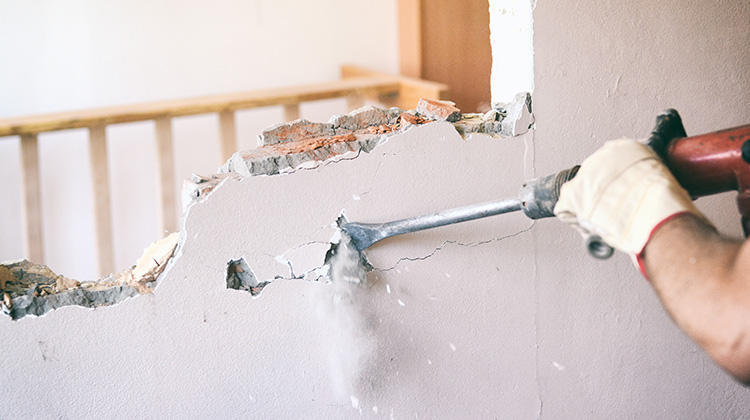
Steps for removing mold from your walls
1. Safety first
Before starting the mold removal process, it's crucial to prioritize safety. Mold can release harmful spores into the air, which can cause respiratory issues and other health problems. Therefore, follow these safety precautions:
- Wear protective gear: Use a mask or respirator, gloves, and safety goggles to shield yourself from mold spores and debris.
- Ensure proper ventilation: Use fans and open windows to allow fresh air to circulate.
- Seal off the contaminated area: Use plastic sheets and tape to prevent mold spores from spreading to other parts of your home.
2. Identify and address the source of moisture
As noted above, mold thrives in damp environments, so it's essential to identify and fix the source of moisture to prevent future mold growth. Common sources of moisture include leaks, condensation, and high humidity levels. Repair any leaks, improve ventilation, and consider using a dehumidifier if necessary.
3. Remove mold from walls
To remove mold from walls, follow these steps:
- Prepare a cleaning solution: Mix equal parts of water and white vinegar or hydrogen peroxide. Both substances are effective in killing mold.
- Test it out: Before using the cleaning solution on the entire wall, try it out on a small, inconspicuous area to be sure it doesn't cause discoloration or damage.
- Apply the solution: Using a sponge or spray bottle, apply the cleaning solution to the mold-infected areas on the wall. Allow it to sit for a few minutes to penetrate the mold.
- Vacuum the affected area: This will help remove mold spores from surfaces, which will prevent reinfection. A shop vacuum with a HEPA filter is best for this job. Using the vacuum’s brush attachment to loosen up mold, be thorough but avoid excessive force to prevent damage to the wall surface.
- Rinse and dry: Wipe the cleaned areas with a clean, damp cloth to remove any residue. Then, thoroughly dry the walls using fans and dehumidifiers.
4. Dispose of infected materials
If the mold has extensively damaged a building material, such as drywall, it might be necessary to remove and replace it. Here's how to dispose of infected structures responsibly:
- Cut out the affected area: Use a utility knife to cut away the mold-infected portion of the drywall. Cut at least 12 inches beyond the visibly moldy area to ensure complete removal. You will also need to remove and dispose of any insulation.
- Bag the debris: Place the moldy drywall and other contaminated materials in heavy-duty plastic bags. Seal the bags tightly to prevent mold spores from escaping.
- Label and transport: Clearly label the bags as "Mold-Contaminated Material" for proper handling. If possible, dispose of the materials at a local landfill that accepts mold-contaminated waste.
Many people rent dumpsters to load with debris when they take on a major DIY project such as mold removal. But if you don’t have room for one or if you just want to avoid the hassle of dumpster rental, call someone who can take the moldy material away for you.
1-800-GOT-JUNK? is an alternative to dumpsters that can handle your mold removal debris. We’ll show up and take away your waste without hassle.

When to call in a mold-removal professional
Calling a mold removal service is recommended in several situations to ensure safe and effective mold remediation. Here are some instances when you should consider reaching out to a professional mold removal service:
- Contaminated HVAC system: Mold can spread through the air ducts and HVAC system, leading to widespread contamination. Professional mold removal services have the expertise to clean and sanitize these systems properly.
- Extensive mold growth: If you notice a large area affected by mold, particularly if it covers more than 10 square feet, it's best to seek professional help. Large-scale mold infestations require specialized equipment and expertise to handle effectively.
- Health issues: If you or your family members are experiencing persistent health issues related to mold exposure, such as severe allergies, respiratory problems, or asthma, it's crucial to enlist the help of professionals. They can safely remove the mold and implement measures to prevent its recurrence.
- Hidden mold: Mold can grow in hidden areas, such as inside walls, ceilings, and crawl spaces. If you suspect mold but cannot locate the source, a professional mold removal service can perform thorough inspections using specialized tools to identify and address hidden mold growth.
- Insurance requirements: In some cases, your insurance policy may require professional mold remediation to cover the damages. Check with your insurance provider and follow their guidelines accordingly.
- Preparing to sell or rent: Before putting your property on the market, it's wise to have a professional mold inspection and remediation, if necessary. This ensures a safe and mold-free environment for potential buyers or tenants.
- Unsuccessful DIY attempts: If you have attempted to remove mold on your own but haven't been successful in eliminating it completely, or if the mold keeps coming back, it's time to call professionals. Mold removal experts have the knowledge and experience to address mold problems effectively.
- Water damage: If your property has experienced significant water damage, such as flooding or leaks, there is a high likelihood of mold growth. A mold removal service can handle both the water damage restoration and mold remediation to prevent further issues.
Let 1-800-GOT-JUNK? help you remove drywall and more
Mold removal from walls and disposing of infected materials such as drywall can be a challenging task, but it's vital for maintaining a safe and healthy living environment. 1-800-GOT-JUNK? can ease your worries by helping you get rid of those materials.
Contact your local 1-800-GOT-JUNK? franchise for a free, no-obligation quote. You can also check out our blog for more helpful topics, such as how to ensure toxic waste disposal is done safely.
Let us make your worries go away!
Frequently asked questions
We price based on how much space your items take up in the back of our truck, broken down into ⅛, ¼, ½, ¾ of a truckload, all the way up to a full truckload. Our trucks hold the equivalent of seven pickup trucks.
Our prices vary based on location and there is a minimum charge for our teams to remove your items, which is different in each location, based on a number of factors, including local disposal and recycling fees.
We offer single item pricing for certain items such as mattresses or TVs, sometimes this will be less than our minimum charge.
For materials that have a heavy cubic weight like dirt, concrete, and gravel, pricing is based on the total volume that the material takes up in the truck, up to a maximum of one foot in height for a full truck.
Watch us load up a truck to see how our standard pricing works!
If you need service weekly, monthly, or quarterly, we offer bulk pricing discounts. This gives you better value compared to common alternatives, such as dumpsters or less professional junk removal services.
Interested? Call our business account team at 1-888-475-3461 to discuss your needs as well as pricing options.
On the day of your appointment with us, our friendly, uniformed truck team members will give you a call or text 15-30 mins before we arrive to let you know we’re on our way.
Whether your business has a single location or multiple locations, we can create a custom junk removal solution that works for you. We can coordinate pickups at multiple locations at a local, regional, and national level. Rather than work with dozens of regional or local companies, let 1-800-GOT-JUNK? handle the jobs across all your locations.
Absolutely! We take large items all the time. As long as it can be lifted and loaded into the truck by two people, we'll be happy to take it away for you!
We work with all types of businesses and can handle any type of job - cleanouts, bulk item removal, general junk removal and even specific items like cardboard or pallets. We can take pretty much anything as long as it's not toxic or hazardous. We can remove your items from wherever they’re located, whether it’s your office, store, site or anywhere else—all you have to do is point!
Yes, we're fully licensed, bonded and insured! We have insurance covering damages to both persons and property for every single booking.
While we don't quite service the entire map, we cover almost every greater metropolitan area across the US, Canada, and Australia. To see if we’re in your neighborhood, you can start a booking by entering your zip code here.
Our customer service center is open 24/7, so we’re here whenever you need us! While operating hours may vary in our franchise locations, we offer same-day and off-hours service, including weekends.
Similar articles
.jpg)
Holding on while letting go: Meghan Yuri Young’s fresh start
Navigating clutter after losing a loved one can feel overwhelming, but letting go is often the first step toward healing. Meghan Yuri Young shares how sorting through her late father’s belongings—with help from 1-800-GOT-JUNK?—helped her honor his memory, lighten her load, and transform her home into a place of fresh possibilities.
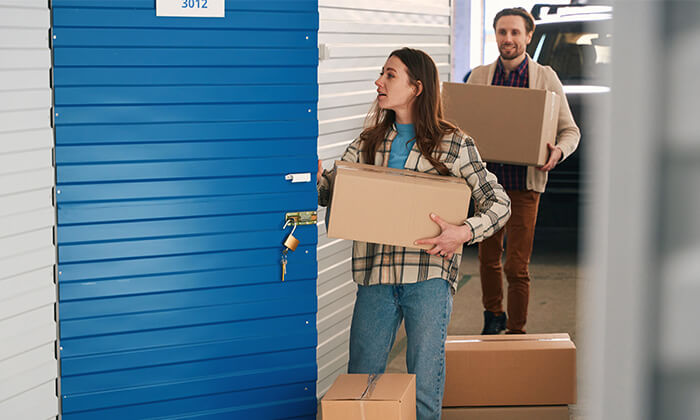
Top 5 reasons storage units aren’t worth it
Think storage units are a lifesaver? They might actually be an expensive trap. While they seem like a quick fix for clutter, these temporary spaces often turn into long-term financial sinkholes for items you’ll never use again. From hidden monthly costs to the lingering mental load, discover five eye-opening reasons why renting a storage unit isn’t worth it.