How To Remove Drywall: A Step-by-Step Guide



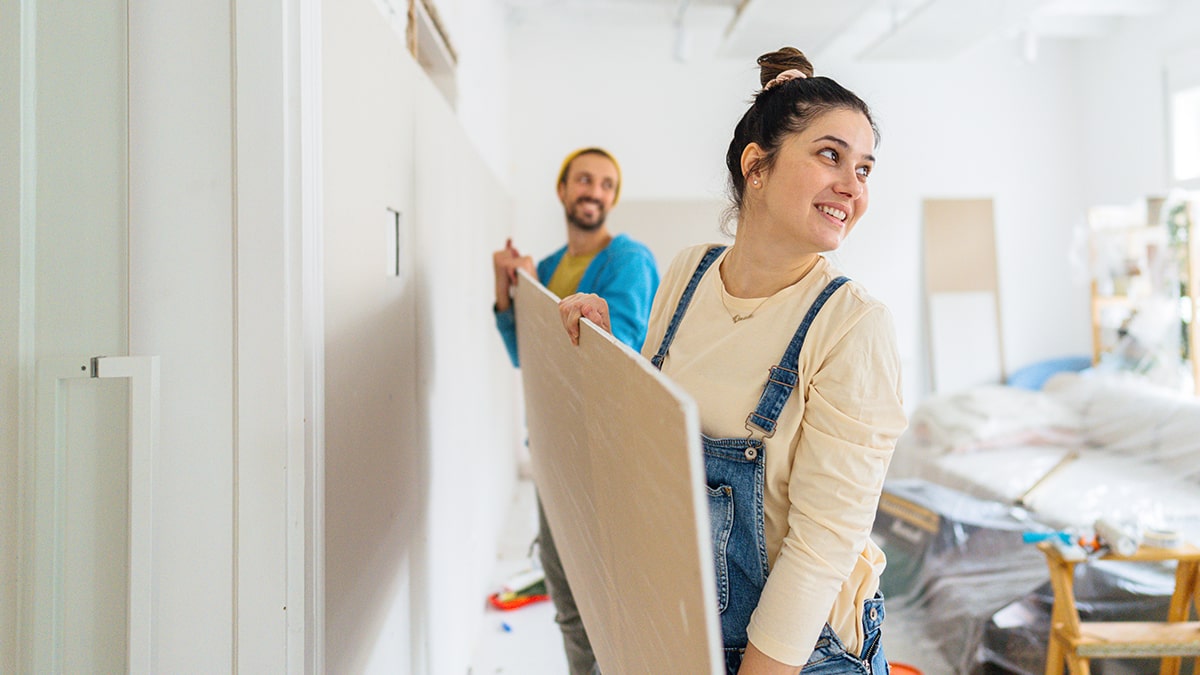
Removing drywall may seem like a daunting task, but with the right tools and steps, it can be a straightforward DIY project. Whether you're renovating a space or need to replace damaged plasterboard, knowing the correct drywall removal process is crucial. This guide will walk you through how to remove drywall safely and efficiently.
What you'll need
Before starting, gather the following tools and materials:
1. Turn off utilities
Before any drywall demolition, turn off power, water, and gas in the area. This prevents electrical shocks, plumbing leaks, or gas hazards. Use a voltage tester to ensure no live wires are present.
2. Prep the area
Clear out furniture, cover the floor with drop cloths, and use plastic sheeting to seal off the area to contain dust. Removing drywall or plasterboard can get messy, so preparation is key.
3. Remove moulding and trim
Using a pry bar, carefully remove any molding or trim from around the drywall. This includes baseboards, crown molding, and any trim around electrical outlets or switches.
4. Locate drywall screws
A stud finder can help locate screws or nails securing the drywall to the studs. Removing these first can make the process easier and minimize damage to underlying structures.
5. Start at the bottom
Begin by cutting or prying at the bottom of the drywall panel. This approach makes it easier to control the removal and reduces strain on your arms and back.
6. Cut in sections
Use a utility knife or drywall saw to cut the drywall into manageable sections. Smaller pieces are easier to remove and dispose of safely.
7. Remove sections
Once cut, carefully pry off each section using a pry bar or hammer. Be cautious around wires and pipes behind the walls.
8. Inspect the area
Check for any mold, water damage, or structural issues behind the drywall. If you find signs of mold, you may need professional remediation.
9. Clean out the debris
Dispose of drywall debris properly. A shop vacuum can help remove fine dust, and larger pieces should be bagged and taken to an appropriate disposal facility. Need help with cleanup? 1-800-GOT-JUNK? offers junk removal services to make the process easier.

Tips for drywall removal
- Wear Protective Gear – Safety glasses, gloves, and a dust mask protect you from debris.
- Turn Off Utilities – Always shut off power and check for hidden wires or plumbing.
- Use a Stud Finder – Identify studs, wiring, and pipes before cutting.
- Score Before Cutting – Use a utility knife for clean cut lines and less dust.
- Work in Manageable Sections – Cutting plasterboard into smaller pieces makes removal easier.
- Pry Carefully – Avoid damaging the framing underneath.
- Watch for Hidden Hazards – Nails, screws, mold, or asbestos can be hidden behind walls.
- Use a Vacuum for Dust Control – A shop vac minimizes airborne dust.
- Dispose Properly – Call a junk removal company like 1-800-GOT-JUNK? to handle debris.
Call 1-800-GOT-JUNK?
Removing drywall creates a lot of debris, and disposing of it properly can be a challenge. 1-800-GOT-JUNK? can help haul away the mess quickly and efficiently.
Offering junk removal from Los Angeles to New York, we’ve got you covered. Find junk removal near you today!
Curious about pricing for drywall removal? Check out our pricing guide or book online today!
Frequently asked questions
How long does it take to remove drywall?
The time required depends on the size of the area and complexity of the job. A single wall may take 1-2 hours, while a full room could take several hours.
Can I remove drywall myself, or do I need a professional?
If you have the right tools and follow safety precautions, drywall removal can be a DIY project. However, for large projects, structural concerns, or hazardous materials (like asbestos), a professional may be needed.
What should I do if I find mold behind my drywall?
If you discover mold, stop work immediately and assess the severity. Small patches can be cleaned with a mold-killing solution, but extensive mold may require professional remediation.
How do I dispose of drywall safely?
Check local regulations for drywall disposal. Some areas require drywall to be taken to specific waste facilities. If you need assistance, 1-800-GOT-JUNK? can handle removal and disposal.
Can drywall or plasterboard be recycled?
Yes, in some areas, drywall can be recycled to create new materials. Check with local waste management services to see if recycling is an option.
Similar articles
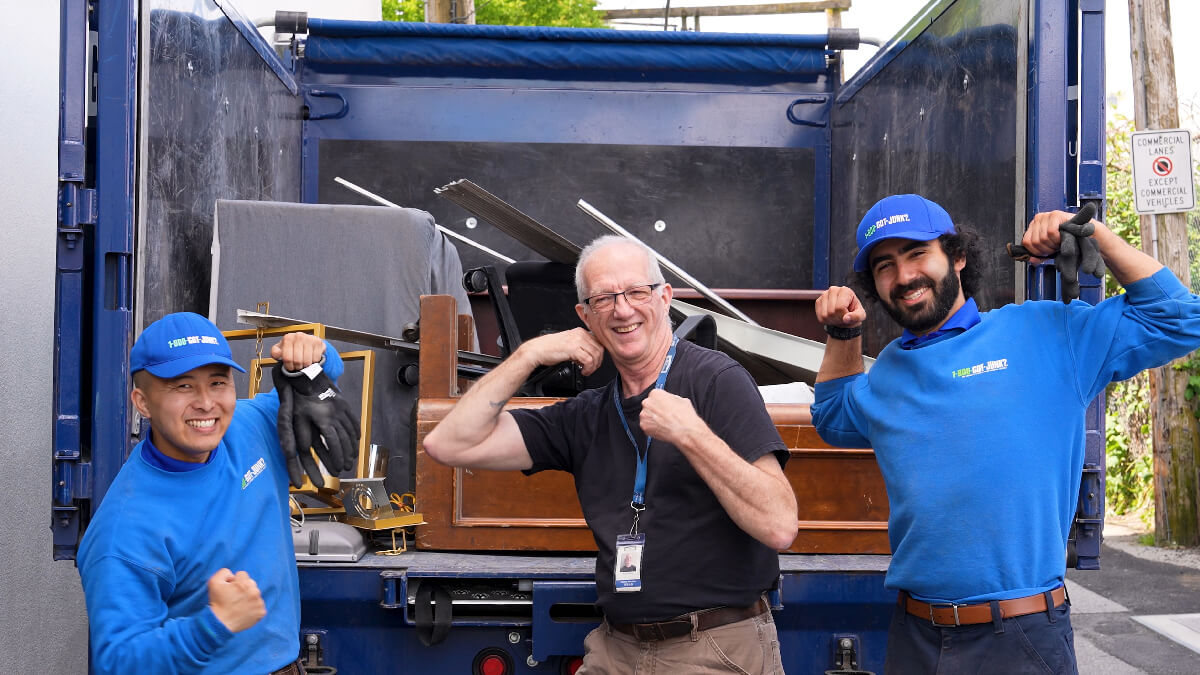
Making space for the Vancouver Japanese Language School’s 120th anniversary
Ahead of its 120th anniversary, the historic Vancouver Japanese Language School is preparing for an exciting new chapter. Discover how our team stepped in to help tackle the junk, preserving history while making space for the future.