


How to recycle scrap metal




Recycling things like plastic bottles and aluminum cans is quite common, but most don’t know that metals such as copper, steel, brass, and iron can also be recycled and usually for money in return. According to the Environmental Protection Agency (EPA) in 2018, landfills received 10.5 million tons of steel, this accounted for 7.2 percent of all municipal solid waste (MSW) that went to landfills.
Recycling scrap metal not only benefits the environment by significantly reducing the amount of MSW that enters landfills but also provides financial incentives for those who choose to recycle. Keep reading to learn more about how to recycle scrap metal and where to take the scrap metal you have.
If you are interested in learning more about how we at 1-800-GOT-JUNK? recycle and help you reduce your carbon footprint, visit our guide here.
What is scrap metal?
Scrap metal is waste metal, metallic material, or any product that contains metal and is capable of being recycled. Scrap metal can be recycled for money and is divided into two categories: ferrous metals and non-ferrous metals.
Ferrous metals are those that contain iron but this type of metal is not worth much money when recycled. Some examples of ferrous metals include steel, stainless steel, carbon steel, cast iron, and wrought iron. Common household items that contain ferrous metals are appliances, tires, and furniture just to name a few.
Non-ferrous metals do not contain iron and unlike ferrous metals, they are light and malleable. Additionally, non-ferrous metals are resistant to corrosion and can conduct heat and electricity which is why they are commonly used for industrial piping, gutters, roofing, and electrical applications and worth much more than ferrous metals when recycled. Examples of non-ferrous metals are aluminum, lead, silver, brass, gold, zinc, copper, and tin.
The easiest way to tell if a metal is ferrous or non-ferrous is to use the magnet test. This is exactly what it sounds like! Wave a magnet over the metal in question and if the magnet is attracted to the metal, then the metal is ferrous. If the magnet is not attracted to the metal, the metal is non-ferrous.
Where to take scrap metal?
Recycling scrap metal is not as easy as just putting it out to the curb as most municipal waste companies will only accept metal cans (aluminum and steel) and you may miss out on getting some money for the metal you have as well. Simply find a metal recycling facility near you and call ahead to get hours of operation, drop off protocol, and learn of any fees associated with drop off.
Know which types of metal you have
1) Copper ($$$$)
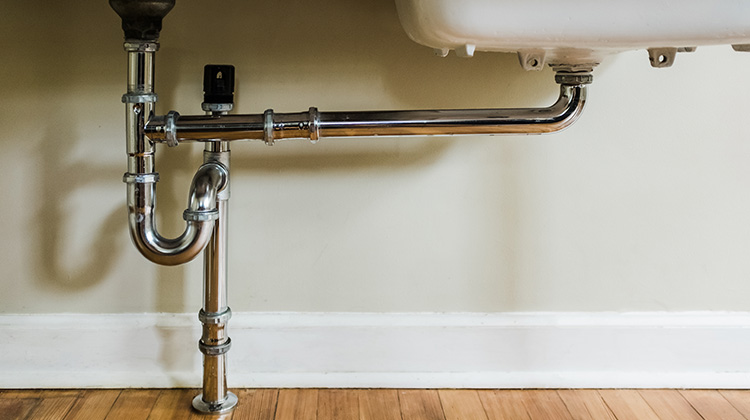
Copper is a non-ferrous metal that is reddish in color and can commonly be found in plumbing pipes, roofing materials like gutters, inside air conditioners, and underneath the plastic of electrical wire. It is also considered to be one of the most valuable metals to recycle depending on the type and quality of copper.
2) Brass ($$$)
Brass is also a non-ferrous metal that is yellow-goldish in color and is easily identified by how heavy it is. It is often used in hardware such as keys, door handles, light fixtures, bathroom fixtures, and plumbing fixtures. Brass is considered mildly valuable to recycle bringing in about $1.30-$2.06 per pound on average.
3) Aluminum ($$)
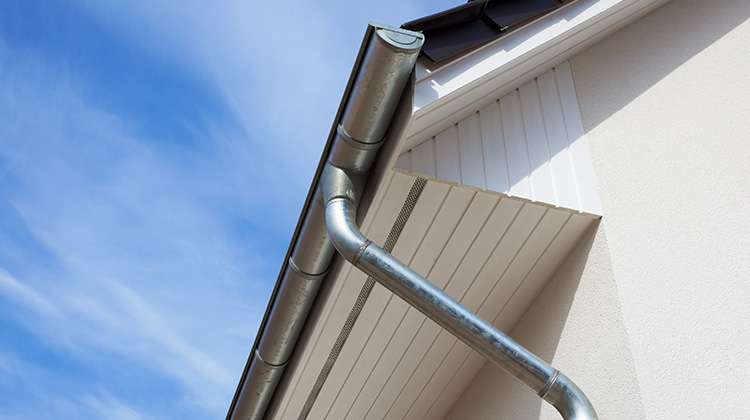
Aluminum is a non-ferrous metal that is silver in color and pliable, it is most commonly found in soda cans. Although soda cans are the most common use for aluminum, it can also be found in other household items such as gutters, siding, window frames, and doors. Aluminum is not as valuable financially speaking, fetching only $1.00-$1.66 per pound, but is incredibly important to recycle because it saves 80% of the energy that was used to produce it originally.
4) Steel ($)
Steel is a ferrous metal that is a dark silver color, but can rust easily, and it is one of the most commonly used metals in the world. That being said you can find it everywhere from your car to chairs, shelves, and cabinets, just to name a few. Unfortunately, monetarily speaking, steel is not one of the more valuable metals. On average it is worth 4-6 cents per pound. However, much like aluminum, it is very important to recycle because it can be melted down and used again.
5) Cast Iron ($)
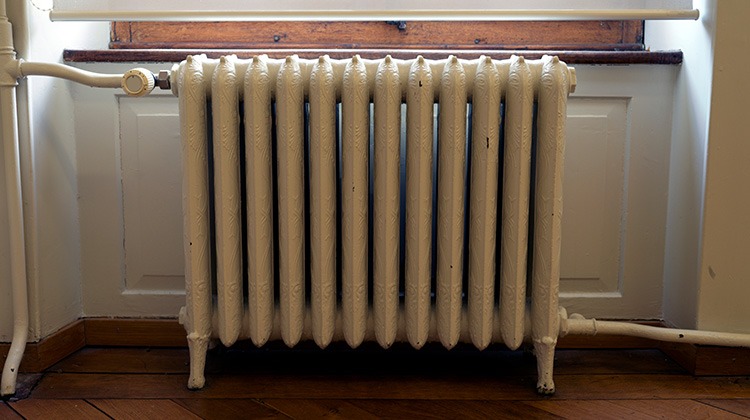
Cast iron is a ferrous metal that is dark black in color and is commonly used in pots, pans, and griddles. In some old homes, you can also find cast iron in old bathtubs, radiators, boilers, and pipes. Although cast iron is not considered to be a highly valuable metal its considerable weight makes up for its low price per pound (6-7 cents per pound).
Let 1-800-GOT-JUNK? take your scrap metal
If you have a large amount of scrap metal or simply don’t feel like dealing with the hassle of finding a scrap yard, consider giving 1-800-GOT-JUNK? a call. We offer scrap metal recycling for both your home and business and all you have to do is call or schedule an appointment online for a free, no-obligation consultation. Our team of junk removal professionals will do all the heavy lifting and recycling when possible, saving you time and removing the hassle of recycling scrap metal.
Recycling scrap metal is not only good for the environment but is also good for your pocketbook. Whether the metal you are looking to recycle is ferrous or non-ferrous it is still valuable and can be recycled as long as it is at least 50% metal. Find a metal recycler near you to learn more about the metal recycling process or contact your local 1-800-GOT-JUNK? franchise so we can take care of it all for you.
Do you need some help recycling scrap metal?
Frequently asked questions
1-800-GOT-JUNK? is more affordable than you may think. Our junk removal prices are all-inclusive, which means you get:
- Professional, uniformed and insured crew members
- Junk removal from anywhere on the premises
- Loading, lifting and sorting
- Recycling, donating and disposing of items
- Transfer station tariffs and fees
- Gas and travel
We charge by the amount of space your items take up in the truck. We think it’s more fair to you to price by volume instead of the length of time it takes us to lift and load. The best part is we’re cheaper in bulk: the more stuff you have, the more value you get!
For materials with a heavy cubic weight, like dirt, concrete, and gravel, pricing is based on the total volume the material takes up in the truck, up to a maximum of one foot in height for a full truck.
Email us at business@1800gotjunk.com or call us at 1-888-475-3461
If you need service on a weekly, monthly, or quarterly basis, we offer bulk pricing discounts. This gives you better value compared to common alternatives, such as dumpsters or less-professional junk removal services.
Interested? Call our business account team at 1-866-916-5865 to discuss your needs as well as pricing options.
On the day of your appointment with us, our friendly, uniformed truck team members will give you a call 15-30 minutes before the start of your two-hour promise window. They’ll say hi, let you know what time they plan to arrive, and confirm any other details about your appointment if needed.
Whether your business has a single location or multiple locations, we can create a custom junk removal solution that works for you. We can coordinate pickups at multiple locations at a local, regional, and national level. Rather than work with dozens of regional or local companies, let 1-800-GOT-JUNK? handle the jobs across all your locations.
Absolutely! We take large items all the time. As long as it can be lifted and loaded into the truck by two people, we'll be happy to take it away for you!
We work with all types of businesses and can handle any type of job - cleanouts, bulk item removal, general junk removal and even specific items like cardboard or pallets. We can take pretty much anything as long as it's not toxic or hazardous. We can remove your items from wherever they’re located, whether it’s your office, store, site or anywhere else—all you have to do is point!
Yes, we're fully licensed, bonded and insured! We have insurance covering damages to both persons and property for every single booking.
While we don't quite service the entire map, we cover almost every greater metropolitan area across the US, Canada, and Australia. To see if we’re in your neighbourhood, you can start a booking by entering your postal code.
Our customer service center is open 24/7, so we’re here whenever you need us! While operating hours may vary in our franchise locations, we offer same-day and off-hours service, including weekends.
Similar articles
.jpg)
Holding on while letting go: Meghan Yuri Young’s fresh start
Navigating clutter after losing a loved one can feel overwhelming, but letting go is often the first step toward healing. Meghan Yuri Young shares how sorting through her late father’s belongings—with help from 1-800-GOT-JUNK?—helped her honor his memory, lighten her load, and transform her home into a place of fresh possibilities.
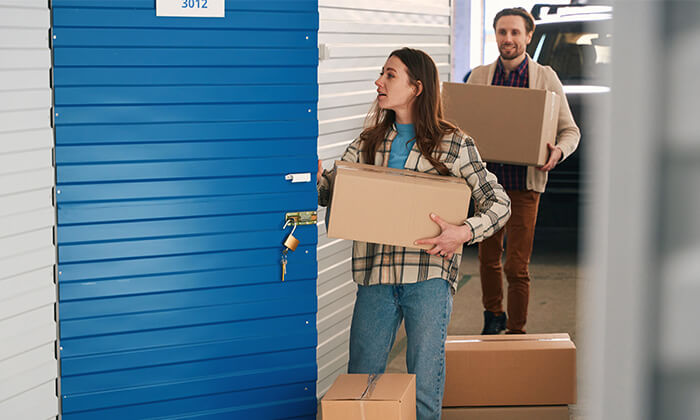
Top 5 reasons storage units aren’t worth it
Think storage units are a lifesaver? They might actually be an expensive trap. While they seem like a quick fix for clutter, these temporary spaces often turn into long-term financial sinkholes for items you’ll never use again. From hidden monthly costs to the lingering mental load, discover five eye-opening reasons why renting a storage unit isn’t worth it.